Rehab-led exercise vs ordinary workouts: how to go from pain to performance
Most gym workouts focus on pushing harder, faster, and heavier—but that’s where many people hit a wall or worse, get injured. Rehab-led exercise takes a different path: it starts with understanding your body’s limits and builds strength safely from the ground up. If you want to move from pain to performance with clear guidance and proven methods, this is the approach that delivers lasting results. Keep reading to see why evidence-based coaching matters and how we can help you return to training with confidence. Learn more about the differences between injury rehab and normal training.
Key Differences in Exercise Approaches
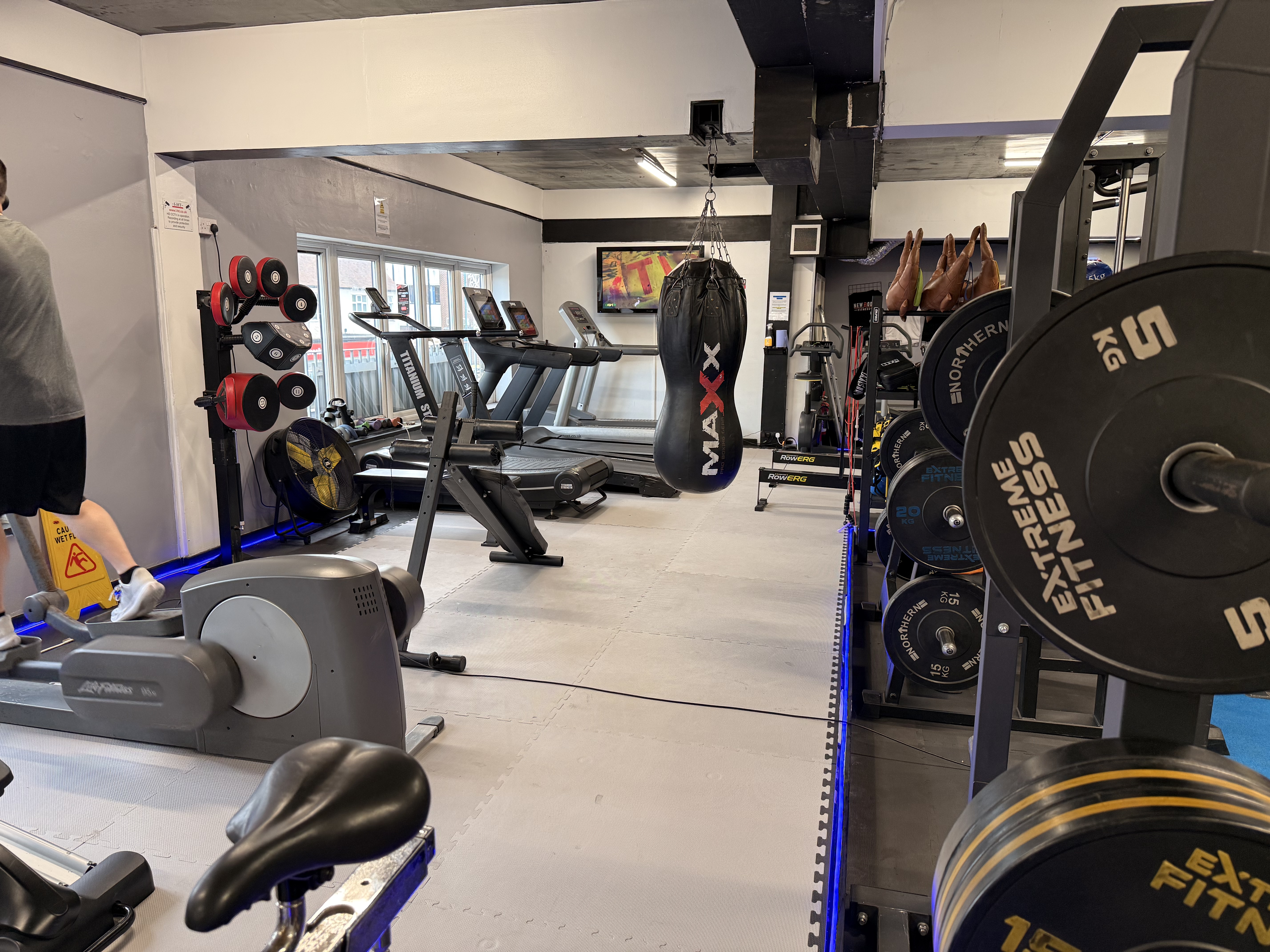
Rehab-led Exercise Explained
Rehab-led exercise is a game-changer for those looking to recover safely. It focuses on understanding how your body works and respects its limits. This approach builds strength gradually, ensuring you avoid injury. Rehab-led programs are tailored to your specific needs, targeting areas that need attention. The exercises focus on improving your movement and stabilizing weak points. Over time, these movements help you regain confidence in your body’s abilities.
Each session is guided by specialists like physiotherapists and sports therapists. They ensure you perform each movement correctly, which is crucial for recovery. You’ll find this approach more supportive and reassuring than jumping straight into intense workouts. With expert guidance, you can expect to see real progress without the fear of setbacks. This method is perfect if you want a structured, evidence-based pathway to get back on track.
Ordinary Workouts in Comparison
Ordinary workouts often focus on intensity and quick results. They are popular for those who want to build muscle or lose weight fast. While effective for some, these workouts can be risky if you’re recovering from an injury. The emphasis on pushing limits can lead to overtraining and burnout. Without proper guidance, you might perform exercises incorrectly, leading to new injuries or aggravating old ones.
These workouts typically lack personalisation. Many gyms offer one-size-fits-all programs that don’t consider individual needs. If you’re not careful, you might end up doing exercises that aren’t suitable for your condition. While ordinary workouts can be beneficial, they require careful consideration and often lack the safety net that rehab-led exercise provides. For those coming back from injury, ordinary workouts may not offer the best path forward.
Benefits of Each Approach
Both rehab-led exercise and ordinary workouts offer unique advantages. Rehab-led exercise provides a safe environment for recovery. With expert oversight, you gain confidence and improve steadily, reducing the likelihood of re-injury. It’s ideal for those who value safety and tailored programs. In contrast, ordinary workouts are great for building muscle and improving general fitness. They suit those who are injury-free and seek rapid changes.
A key benefit of rehab-led exercise is the focused approach on healing. You work on specific areas, building strength in a controlled manner. Ordinary workouts offer variety and can be very motivating if you’re looking to challenge your limits. Ultimately, your choice depends on your goals and current physical condition. Understand your needs, and choose the approach that aligns best with your fitness journey.
Importance of Evidence-Based Coaching
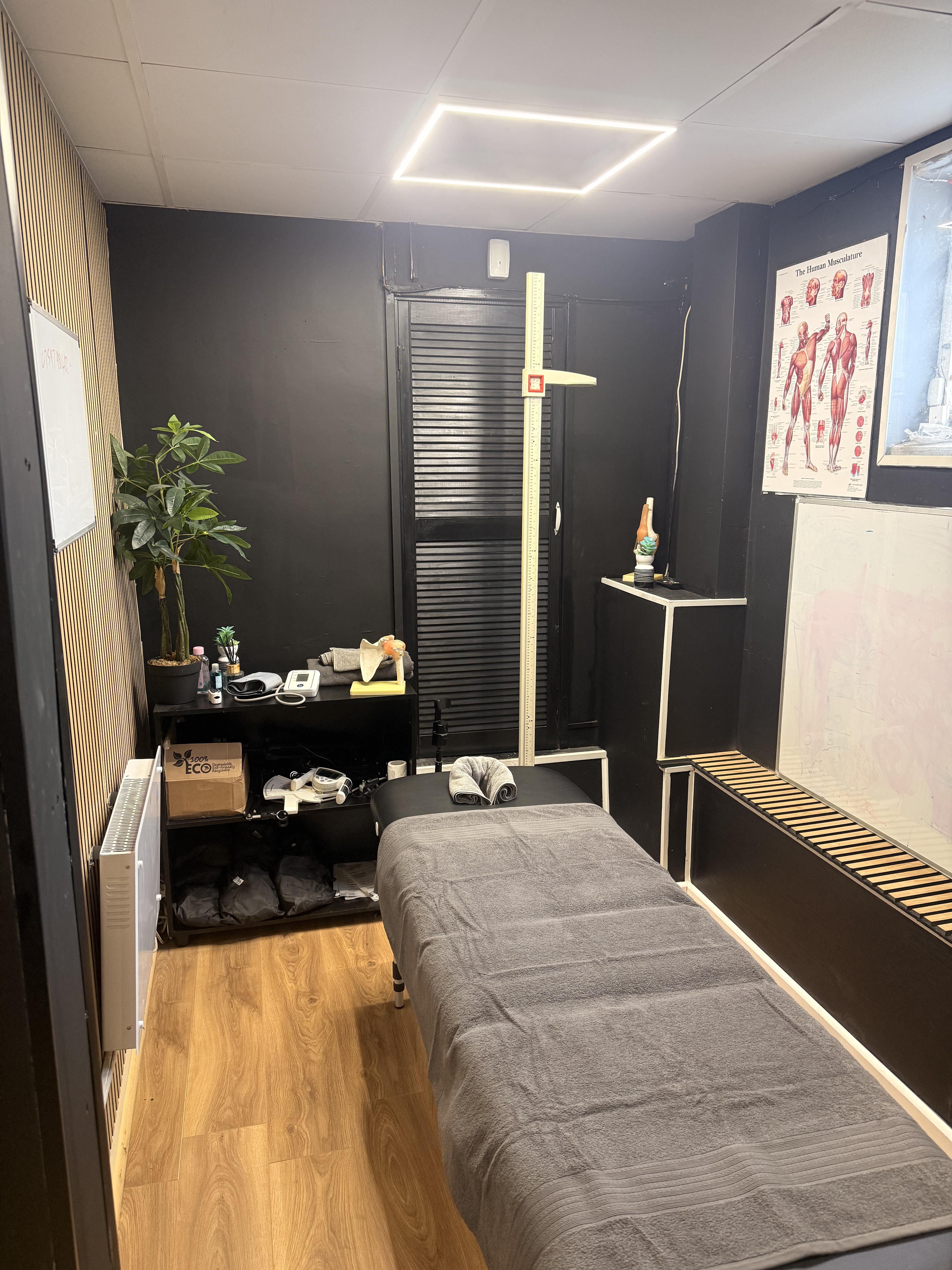
Safe and Lasting Results
Evidence-based coaching ensures you achieve results that last. This approach uses proven methods to guide your recovery and fitness journey. By focusing on what works, you can trust that your efforts will lead to positive outcomes. You avoid the pitfalls of trial-and-error methods, reducing the risk of setbacks. This approach is particularly effective in a rehabilitation setting, where safety is a priority.
With evidence-based coaching, you receive guidance from qualified professionals. They use data and research to tailor programs to your specific needs. This means you get a plan that’s both effective and safe. You can focus on your progress, knowing each exercise supports your recovery or fitness goals. This method is invaluable for anyone serious about achieving sustainable results.
Measured Progress and Tracking
Tracking your progress is essential for motivation and improvement. With evidence-based coaching, you get a clear picture of how you’re doing. Regular assessments help you see where you’ve improved and what still needs attention. This structured approach provides a roadmap for your fitness journey. You’re not left guessing whether you’re on track.
Each milestone reached is a testament to your hard work. Seeing measurable progress can boost your confidence and keep you motivated. Regular check-ins with your coach ensure that your program adapts as you progress. This dynamic approach means your workouts always meet your current needs, helping you push forward effectively and safely.
Personalised Clinical Exercise Programmes
Personalised programs are at the heart of effective rehab-led exercise. By tailoring exercises to your unique needs, you receive the best possible support. This approach considers your history, current condition, and future goals. Each session is designed to move you closer to recovery or peak fitness. You’ll find this method supportive and focused, with every exercise serving a purpose.
Working with experts, you receive guidance that respects your pace and capabilities. The personalised nature of these programs ensures that you aren’t overexerting yourself. Instead, each movement is calculated to aid your progress without causing harm. This approach is ideal for anyone looking to rebuild their strength and confidence thoughtfully.
From Pain to Performance Pathways

Steps to Return to Training
Returning to training after an injury requires careful planning. Start by consulting with a specialist who can assess your condition. They will create a structured plan that guides your recovery safely. You’ll begin with low-impact exercises to build strength gradually. As you progress, the intensity increases, helping you regain full function.
-
Initial Assessment: Understand your current condition.
-
Tailored Plan: Receive a program suited to your needs.
-
Progressive Exercises: Start small and build up.
-
Regular Reviews: Adjust the plan as you improve.
These steps ensure you’re ready to return to regular training without risking injury. By following a structured pathway, you can confidently work towards your fitness goals.
Back, Knee, and Shoulder Rehab Exercises
Rehabilitation exercises target specific areas to enhance mobility and strength. For back pain, gentle stretching and core strengthening are vital. These exercises improve stability and reduce discomfort. Knee rehab focuses on movements that support joint health. Strengthening surrounding muscles can alleviate strain on the knee itself.
Shoulder rehab includes exercises that enhance flexibility and strength. These focus on stabilizing the shoulder joint, reducing the risk of further injury. Each exercise is carefully selected to support recovery without causing additional strain. With the right approach, you can restore function and return to your activities with confidence.
Book Your Movement Assessment Today
Ready to start your journey from pain to performance? A movement assessment is your first step. This comprehensive evaluation identifies your strengths and areas for improvement. By understanding where you are, we can create a plan that meets your unique needs. Don’t delay your recovery—take the step towards a stronger, healthier you. Book your assessment today and see the difference professional guidance can make.
