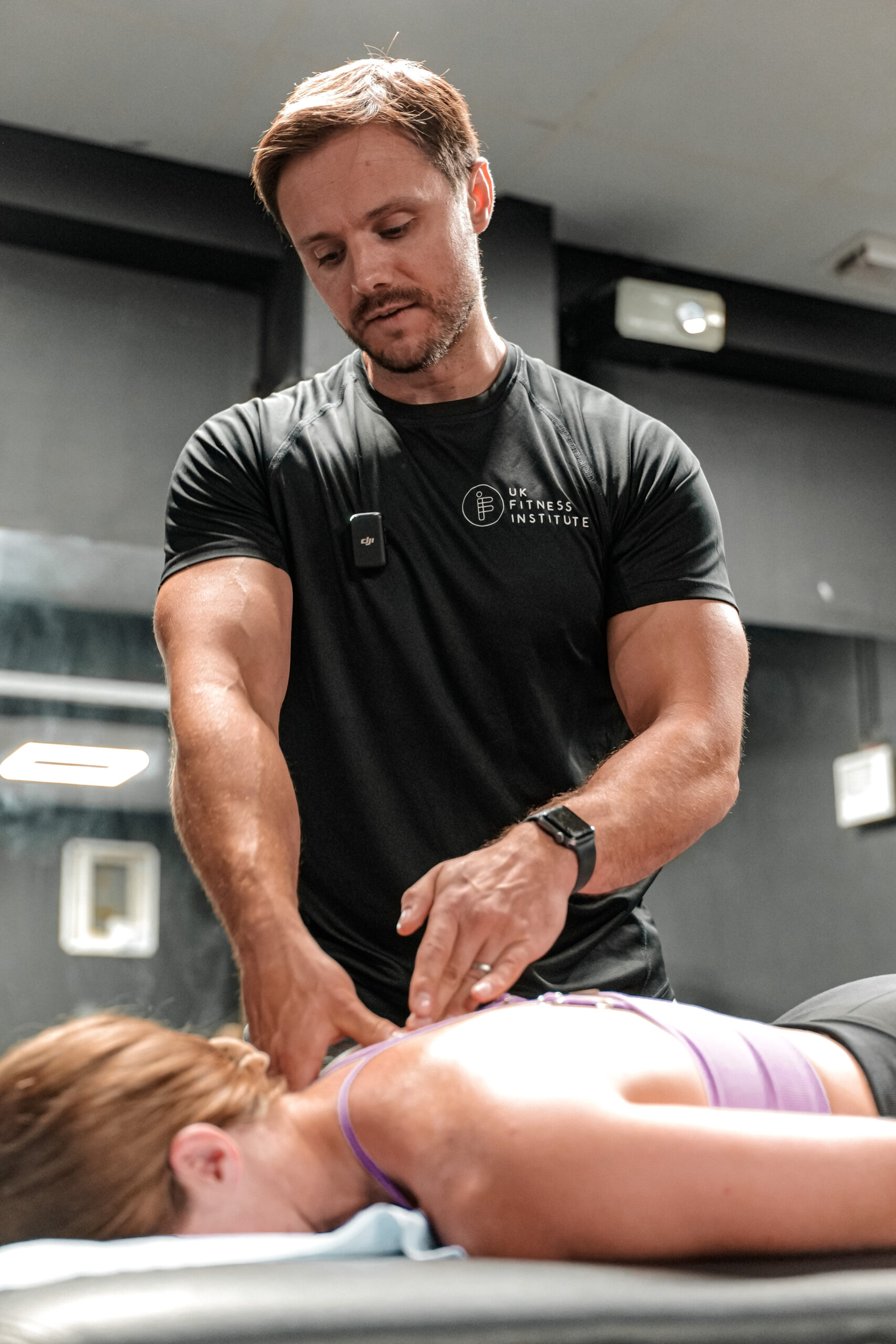
How to train around pain — without making your recovery worse
Pain shouldn’t stop your progress, but pushing through it blindly can set recovery back. Knowing how to train around pain safely keeps you moving without making things worse. In this guide, you’ll learn clear, evidence-based steps for pain-free training — from recognising red flags to smart load management and simple exercise swaps. Ready for a safe return to training? Message “START” or book a Pain-to-Performance Assessment with New Body Clinic today. For more information, check out this helpful resource: [https://cmapt.com/blog/injury-rehabilitation-exercises-techniques-for-a-swift-and-effective-recovery/].
Training Safely with Pain
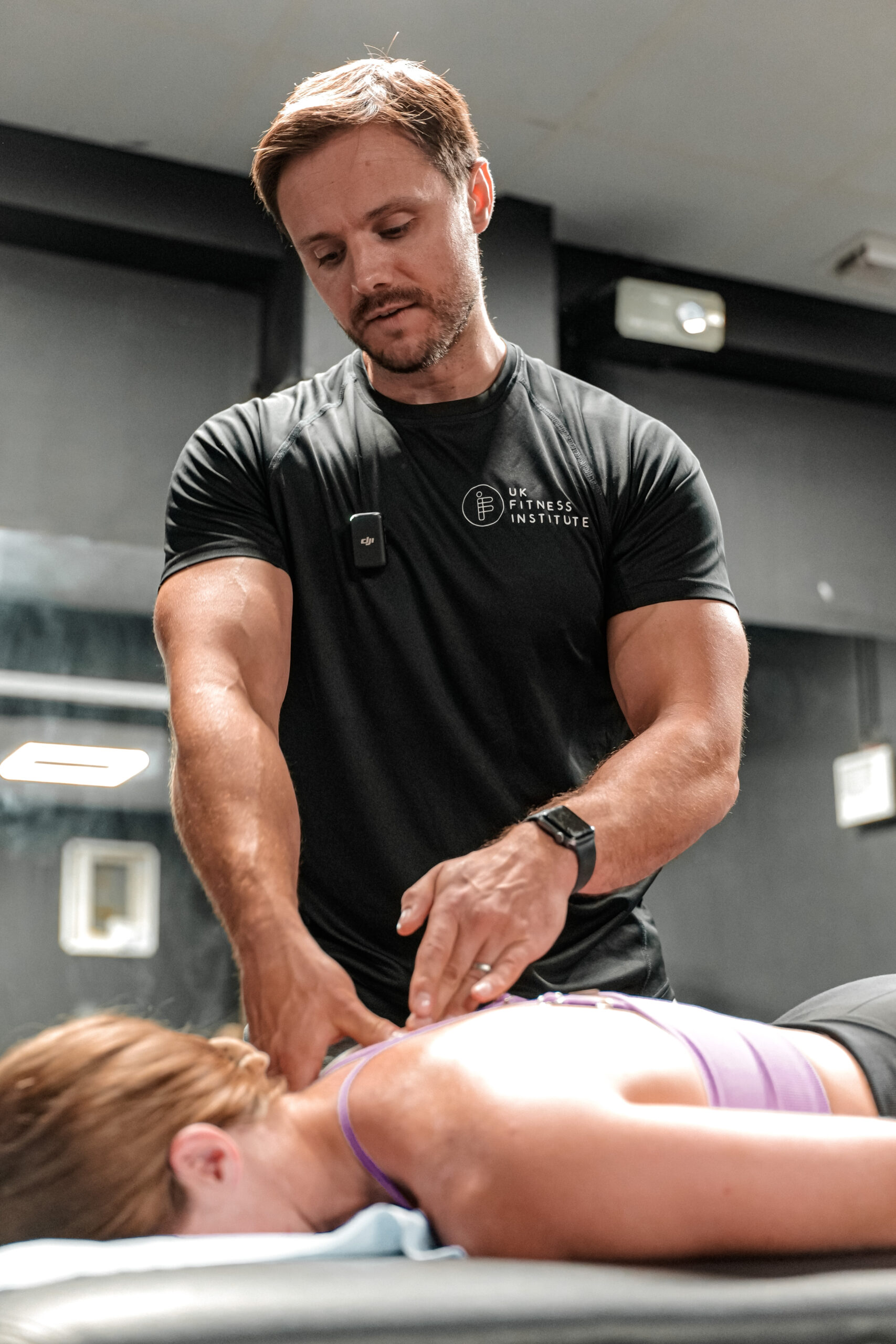
Understanding how to train safely when you’re experiencing pain is crucial. It helps you keep moving without worsening the issue. Let’s dive into key strategies that will guide you through this process.
Recognising Red Flags
Before you lace up your trainers, it’s vital to know what pain signals to watch out for. Some discomfort is normal, but certain signs mean stop. If you notice sharp or stabbing pains, swelling, or persistent discomfort that doesn’t ease with rest, it’s time to pause. Ignoring these can lead to more severe injuries. Most people think pushing through is brave, but listening to your body is the smart move.
If you’re unsure, consider seeking advice. A professional can help determine if your pain is a minor issue or something that needs more attention. For more insights into training safely around injuries, check out this resource.
Understanding the Pain Scale
Navigating your pain can be challenging, but using a simple pain scale makes it easier. Imagine a scale from 0 to 10: 0 means no pain, and 10 is unbearable. Aim to keep your pain levels at a manageable 3 or 4. Training at this level typically means there’s minimal risk of aggravating your injury.
Using this scale helps you stay aware of your body’s signals. When pain creeps above a 5, it’s a cue to dial back. Many think ignoring pain builds toughness, yet it often leads to setbacks. Keeping pain in check ensures steady progress.
Graded Exposure Techniques
Graded exposure is a method where you slowly introduce your body to more activity. Start with light exercises that don’t hurt. Over time, gradually increase intensity and duration. This approach allows your body to adapt without overwhelming it.
Take small steps, like adding a few minutes to your routine or increasing weights slightly. Remember, consistency beats intensity. This method builds confidence and reinforces that movement is safe. For more on this approach, see these tips.
Effective Exercise Modifications
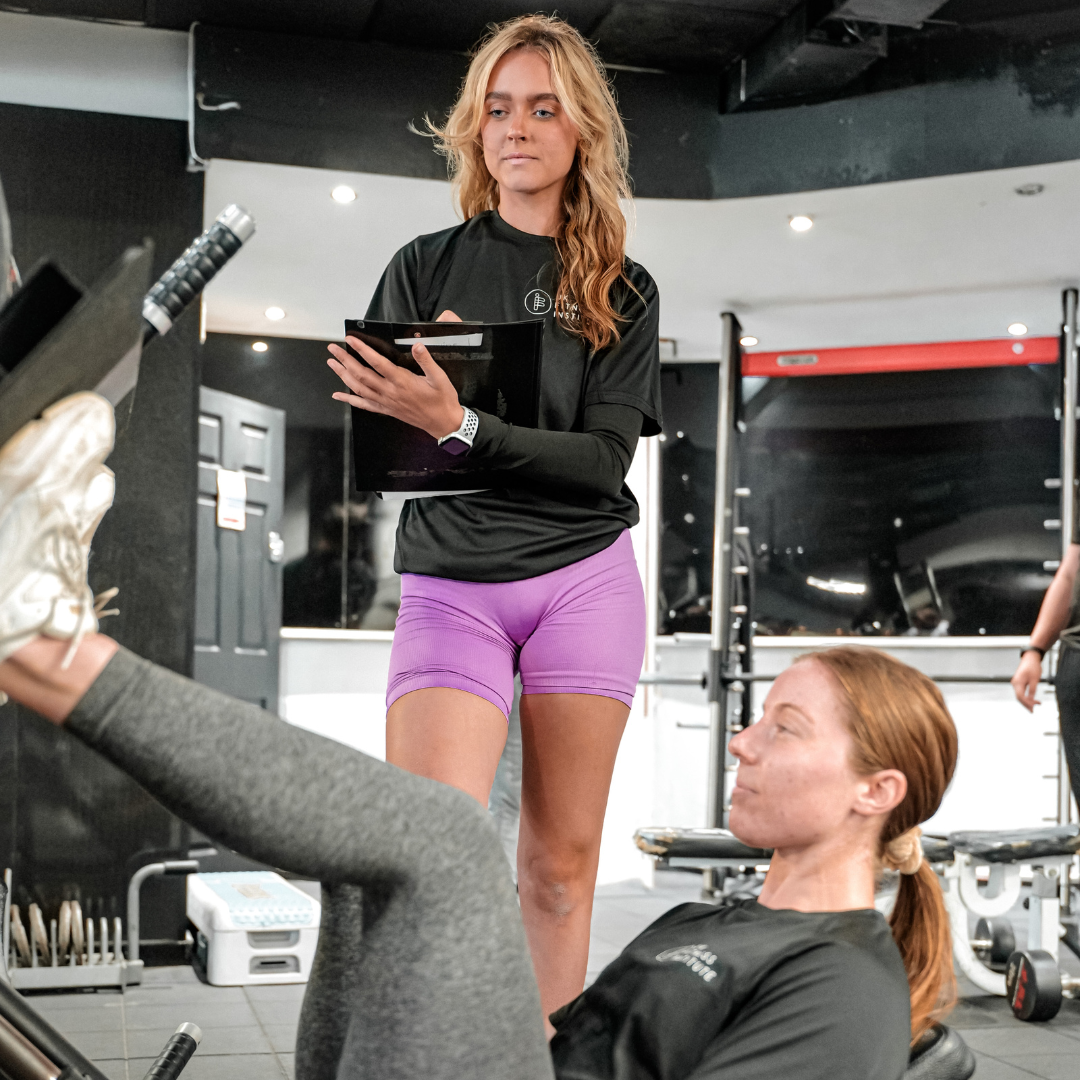
Training around pain often requires modifying exercises. This ensures you stay active while protecting your body. Here’s how you can adjust your routine effectively.
Simple Exercise Swaps
Swapping exercises is a straightforward way to stay active. If certain moves cause discomfort, replace them with alternatives that target the same muscles. For example, if squats hurt your knees, try step-ups. They’re easier on the joints but still effective.
Exercise swaps keep you engaged and prevent boredom. They also allow you to maintain fitness levels while avoiding pain. You’ll find that staying flexible with your routine supports long-term goals.
Adjusting Range and Tempo
Sometimes, the key to pain-free training is adjusting how you perform exercises. Reducing the range of motion can lessen strain. For instance, if a full squat is painful, try a partial squat instead. It’s about finding what your body can handle.
Tempo changes can help too. Slowing down movements increases control and reduces impact. Focus on smooth, deliberate actions. This strategy keeps workouts effective without risking injury. Explore different tempos to discover what feels best.
Implementing Deload Weeks
Deload weeks are a planned reduction in training intensity. They’re essential for recovery and preventing overuse injuries. Every few weeks, decrease the weights or reps you lift. It gives your body time to heal and adapt.
Think of it as a reset button for your body. Deloading prevents burnout and keeps motivation high. Most people underestimate rest, but it’s as crucial as the workout itself. Embrace these lighter weeks and watch your progress soar.
Monitoring Progress and Seeking Help
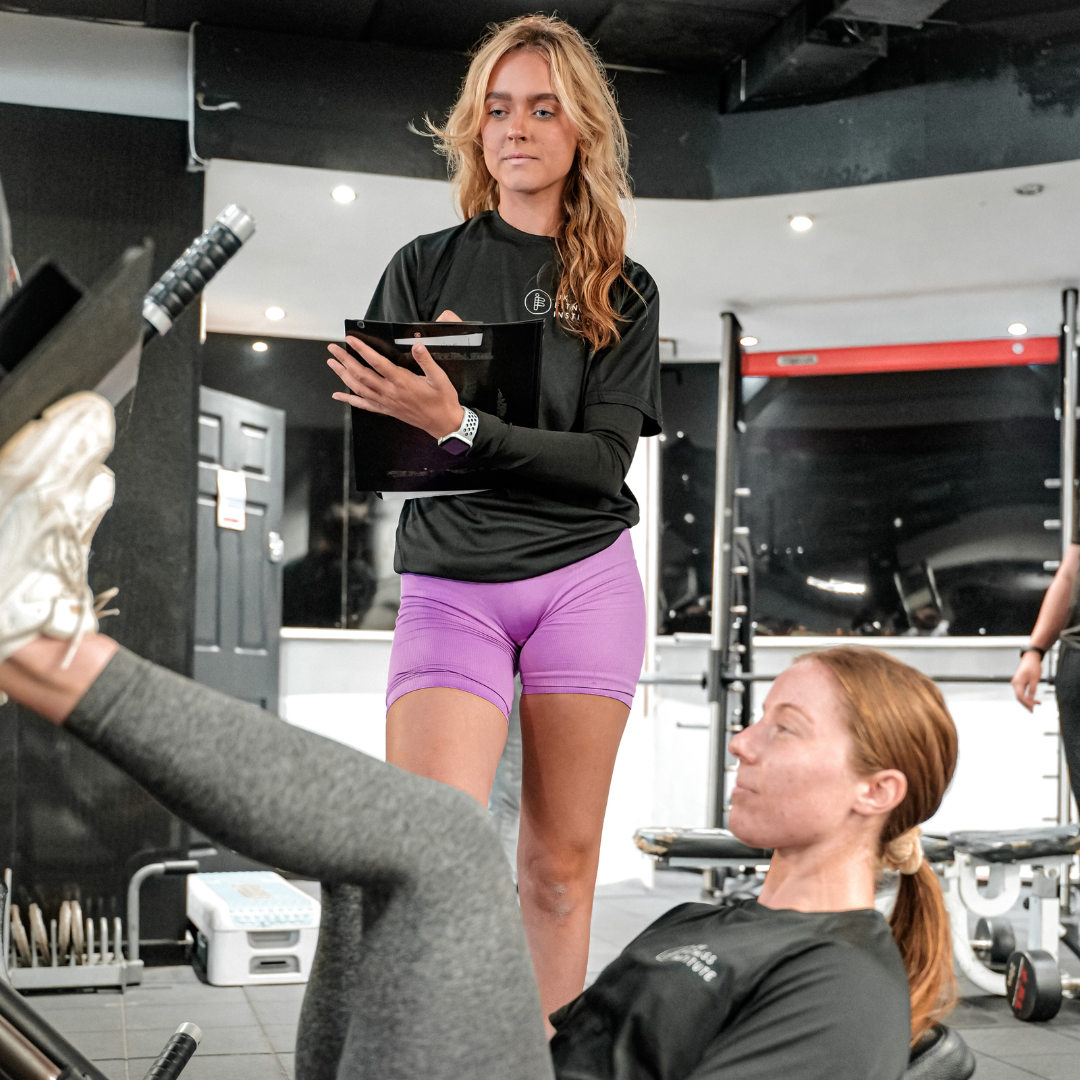
Keeping track of your progress ensures you’re on the right path. It also helps you know when to seek professional guidance. Let’s explore how to monitor effectively and recognise when extra support is needed.
Tracking Beyond the Scale
Tracking your progress involves more than just the number on the scale. Consider factors like energy levels, sleep quality, and pain reduction. Keep a journal of how you feel during and after workouts. These indicators provide a fuller picture of your progress.
Numbers on a scale can be misleading. Non-scale victories, like improved mobility or reduced pain, are significant achievements. Celebrate these wins. They show that your approach is working, even if the scale seems stagnant.
When to Consult a Physio
Knowing when to consult a physiotherapist can prevent minor issues from becoming major setbacks. If pain persists despite modifications, it’s time to seek help. A physio can offer tailored advice and strategies to aid recovery.
They provide expertise that guides you back to full strength safely. Ignoring persistent pain can lead to long-term damage. A physio’s support ensures you’re not just guessing but following a plan that works. Check out more insights here.
Sample Week of Pain-Aware Training
Creating a pain-aware training plan involves balancing activity and rest. Here’s a sample week to get you started:
-
Monday: Cardio (low-impact) + Upper body strength (light weights)
-
Tuesday: Rest or light yoga
-
Wednesday: Lower body exercises (modified)
-
Thursday: Active recovery (walk or gentle swim)
-
Friday: Core work + Stretching session
-
Saturday: Fun activity (like dancing or cycling)
-
Sunday: Rest and reflect on progress
This schedule keeps you active while respecting your body’s limits. Adjust as needed, and remember: consistent, mindful training leads to the best outcomes.
By following these guidelines, you can train around pain effectively. Always listen to your body, and never hesitate to seek help when needed. At New Body Gym, we’re here to support your journey to pain-free training and beyond.
