
How to Start Training Again After a Long Break — Without Overdoing It
You’ve taken a break from training—maybe for months or even years. Jumping straight back in can leave you sore, frustrated, or worse, injured. At New Body Health & Fitness, we know how to guide your safe return to exercise with clear steps, realistic goals, and expert support. Read on to learn how to restart your routine without overdoing it, using proven methods tailored for adults in Rayleigh. Ready to begin? here’s how to safely return to exercise.
Restarting Your Fitness Journey

Restarting your fitness journey might seem daunting, but starting with the right mindset sets the tone for success. Here’s how to approach your return with the right expectations and methods.
Setting Realistic Expectations
The first step in any journey is setting the right expectations. You might feel tempted to push yourself to your previous limits, but this isn’t a race. Start by acknowledging where you are today, not where you used to be. Set small, achievable goals to maintain motivation. For example, aim to complete three workouts per week instead of daily sessions. This approach prevents burnout and keeps you feeling successful.
Reflect on what you enjoy about exercise. Maybe it’s the rush of endorphins or the satisfaction of progress. Remembering these can keep you motivated. Keep track of your achievements, no matter how small. Over time, these add up to significant progress.
Importance of a Warm Up Routine
Jumping into exercise without warming up can lead to injury. A proper warm-up increases blood flow and prepares your muscles for action. Start with dynamic stretches like arm circles or leg swings. These movements help improve flexibility and reduce injury risk.
Include a five to ten-minute cardio session to get your heart rate up. Activities like brisk walking or light jogging work well. This simple routine can make your workouts more effective and enjoyable. As your body gets used to activity, you’ll notice improved performance and endurance.
Understanding the RPE Scale
The Rate of Perceived Exertion (RPE) scale is a valuable tool for gauging workout intensity. It ranges from 1 to 10, with 1 being very light activity and 10 being maximum effort. Using the RPE scale helps you balance effort and recovery, reducing the risk of overtraining.
Aim to keep most of your workouts at a moderate level, around 4 to 6 on the scale. This ensures you’re working hard enough to improve fitness without overexerting yourself. As you grow stronger, you can gradually increase intensity. Understanding and using the RPE scale allows you to listen to your body and adjust accordingly.
Structuring Your Return to Training
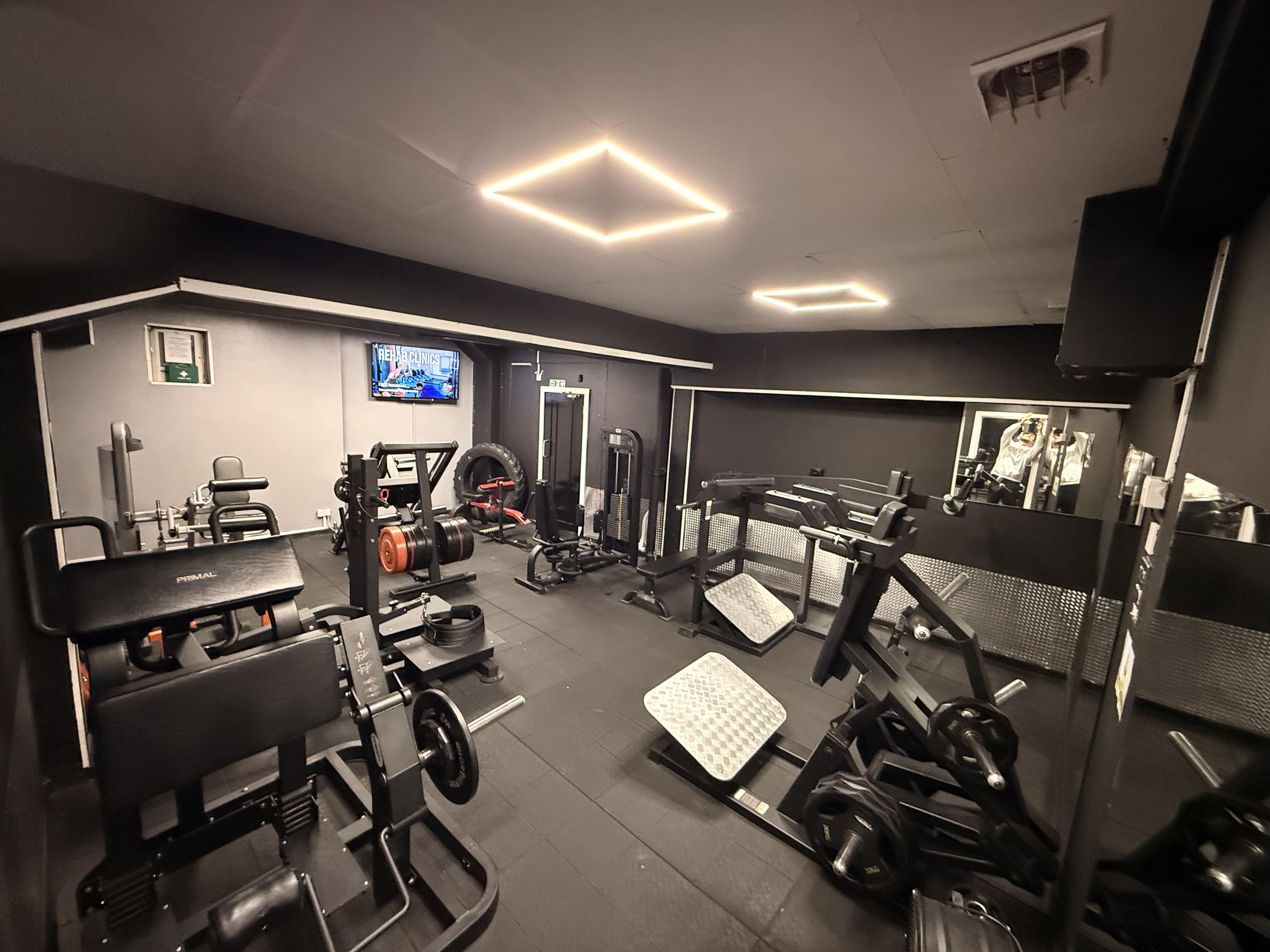
Planning your return to training is crucial for success. A structured plan ensures progress and keeps you motivated. Here’s how to set up a routine that suits your needs.
The Value of a Beginner Strength Programme
A beginner strength programme lays a strong foundation for fitness. It focuses on form and gradual progression. Start with basic movements like squats, push-ups, and rows. These exercises work multiple muscle groups and improve overall strength.
Perform two to three sets of each exercise, with 8 to 12 repetitions per set. As you become more comfortable, increase the weight or resistance. Remember, consistency is more important than intensity. Regularly performing these exercises builds strength and confidence over time.
Incorporating a Deload Week
Incorporating a deload week into your routine is vital for recovery. During this week, reduce the intensity and volume of your workouts. This gives your body time to repair and grow stronger. Think of it as a planned break that enhances progress.
Listen to your body. If you’re feeling unusually tired or sore, it might be time for a deload. This approach prevents burnout and keeps you motivated. By allowing time for recovery, you set the stage for long-term success.
Pain-Free Training for Over 30s
Training after 30 requires a smart approach. Focus on maintaining mobility and strength without causing pain. Include exercises that build joint stability, like lunges and planks. These help prevent injuries and improve overall fitness.
Prioritise form over intensity. Correct form reduces the risk of injury and ensures effective workouts. If any exercise causes pain, stop and reassess. Use modifications or alternatives to keep training safe and enjoyable.
Leveraging Support and Resources
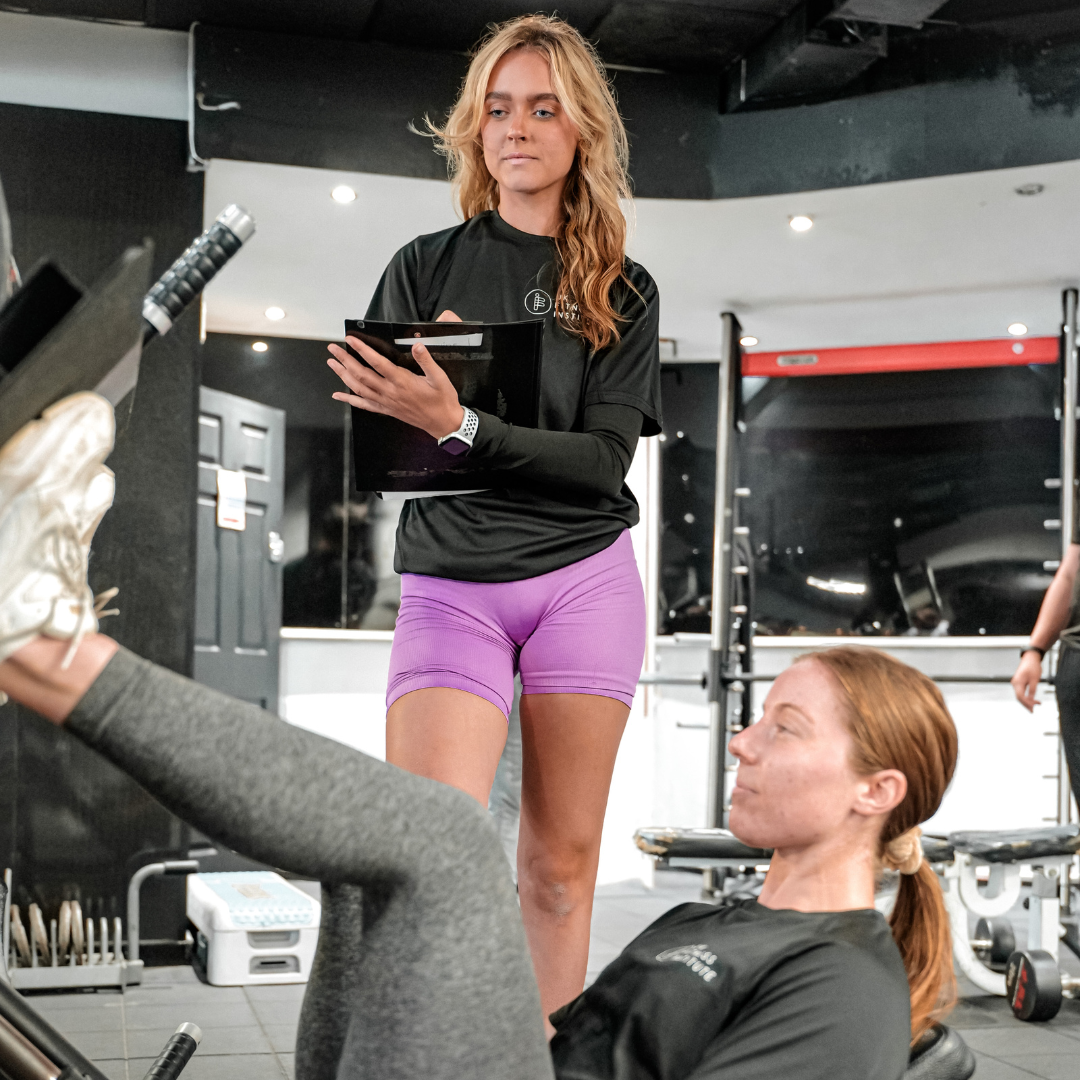
Support and resources can make a significant difference in your fitness journey. Here’s how to use them to your advantage.
Benefits of Physiotherapy Rayleigh
Physiotherapy offers tailored solutions for a safe return to training. A physiotherapist can identify areas of weakness or imbalance and provide exercises to address them. This proactive approach prevents injuries and improves performance.
If you’re recovering from an injury, physiotherapy can guide you through rehabilitation. It offers a structured path to recovery, helping you regain strength and confidence. Consider physiotherapy as an investment in your long-term health and fitness.
Personal Training Rayleigh Explained
Personal training provides customised guidance and accountability. A personal trainer works with you to create a plan that suits your goals and abilities. They offer support and motivation, ensuring you stay on track.
Trainers also teach proper form and technique, reducing injury risk. With their expertise, you can maximise your workouts and achieve results faster. Personal training is especially beneficial if you’re new to exercise or returning after a long break.
Joining a Boot Camp Rayleigh Session
Boot Camp sessions offer a community-focused approach to fitness. These group workouts provide motivation and camaraderie, making exercise enjoyable. Boot camps typically include a mix of cardio and strength training, offering a balanced workout.
Participating in Boot Camp sessions can help you meet others with similar goals. This sense of community can boost motivation and keep you committed to your fitness journey. Whether you’re a beginner or getting back into training, Boot Camps provide a supportive environment for success.
In summary, restarting your fitness routine doesn’t have to be overwhelming. By setting realistic goals, implementing a structured plan, and leveraging support, you can safely return to training and enjoy lasting results.
