How to Train Around Pain Without Making Recovery Worse
Training around pain without making recovery worse isn’t about pushing through discomfort blindly. Many people stop moving altogether when something hurts, but that can slow progress and hold back your goals. At New Body Health & Fitness, we focus on injury-safe workouts that help you stay active while managing pain smartly. Keep reading to learn how to modify exercises and manage load so you move forward with confidence, not risk. Read more here.
Train Smart Around Pain
Training safely when something hurts can feel tricky, but it’s not about stopping altogether. You can stay active by tweaking your exercises and managing how much you do. Let’s explore how you can make smart adjustments and keep moving forward.
Modify Exercises for Pain
You don’t need to quit exercising when you experience discomfort. Instead, change how you move. For instance, if squats hurt your knees, try using a chair for support and perform a seated version. This takes pressure off while keeping you active. Also, focus on range of motion. Moving within a comfortable range helps avoid flare-ups.
Modify your routine with simple changes. Switch to lighter weights or bodyweight exercises. It’s not about lifting heavy, but about consistency. Remember: small adjustments can yield big benefits. You’re not alone in this journey. Most people think they need to stop, but the key is to keep moving smartly.
Load Management in Training
Balancing the amount of work you do is crucial for avoiding setbacks. Load management involves controlling exercise intensity and volume. If you push too hard, you risk injury. Listen to your body and adjust accordingly. A steady increase in load is safer than sudden spikes.
Monitor your body’s response to exercise. If soreness persists, it’s a signal to dial back. Gradual progression helps build strength without overloading tissues. Consistency is more important than intensity. Think of it as a long-term plan rather than a race.
Graded Exposure Training
Graded exposure involves gradually reintroducing activities that might have caused pain. Begin with low-intensity versions of the exercise. As your comfort grows, slowly increase the challenge. This method builds confidence and resilience.
Start with controlled movements. If running hurts, begin by walking briskly. Over time, incorporate short jog intervals. The gradual approach helps your body adapt, reducing fear of reinjury. Remember: confidence grows with practice, not perfection.
Injury-Safe Workouts

Keeping workouts safe is about making informed choices. By blending tailored exercises and smart approaches, you can continue training without worsening pain. Let’s delve into methods to keep your routine both effective and safe.
Pain-Free Training Tips
Staying active without aggravating pain involves some clever strategies. Warm-ups are essential. They prepare your body for movement, reducing injury risk. Opt for dynamic stretches to get blood flowing and muscles activated.
Hydration is key. Drink water before, during, and after workouts. It supports tissue health and recovery. Also, incorporate rest days. They’re not a sign of weakness but a smart way to let your body heal and grow stronger.
Knee Pain Gym Modifications
Knee pain doesn’t mean you have to avoid the gym. Modify exercises to suit your needs. Instead of lunges, try step-ups on a low box. This shift reduces stress on the knees while still working those muscles.
Use resistance bands for added support. They help maintain form and provide extra stability. Remember: the aim is to keep moving without pain. Small changes can have a big impact on your comfort and confidence.
Shoulder Pain Gym Advice
Shoulder discomfort can be managed with some smart tweaks. Swap overhead presses for lateral raises. This engages the shoulders without straining them. Focus on posture. Stand tall with your shoulders back to reduce stress.
Use foam rollers for muscle release. Rolling out tight areas can alleviate discomfort and improve your range of motion. It’s all about finding what works for you. The right adjustments can keep you strong and pain-free.
Rehab to Performance
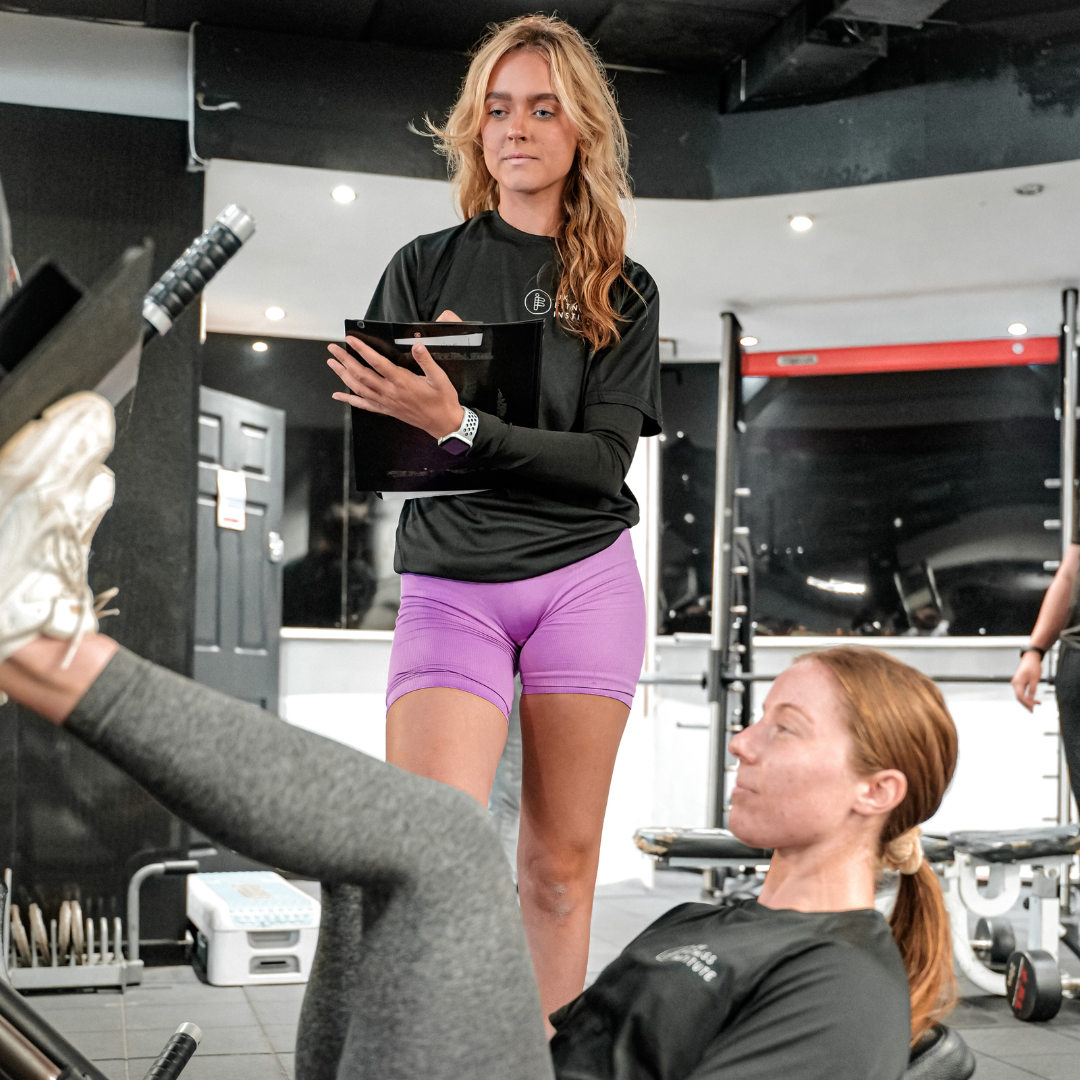
Recovering and getting back to full strength takes time and the right approach. Transitioning from rehab to peak performance involves careful planning. Let’s look at how you can safely rebuild your strength and confidence.
Return to Training After Injury
Returning after an injury requires patience and structure. Start slow with low-impact activities. Swimming and cycling are great as they’re gentle on the body yet effective. As you gain strength, gradually reintroduce more challenging exercises.
Track your progress. Keep a journal of your workouts and how you feel. This helps spot patterns and adjust your plan as needed. Remember: recovery isn’t linear. There will be ups and downs, but persistence pays.
Strength Training After Injury
Building strength post-injury demands a focused approach. Begin with bodyweight exercises to restore muscle memory. Once comfortable, transition to light weights. The goal is to rebuild gradually without rushing.
Incorporate stability exercises. They improve balance and coordination, which are often affected by injury. Planks and single-leg stands are simple yet effective. Consistency and patience are your allies in regaining strength safely.
Evidence-Based Coaching at New Body Clinic Rayleigh
At New Body Clinic Rayleigh, we pride ourselves on using proven methods to guide your recovery. Our team of experts tailors programmes to your unique needs, ensuring you progress safely. Trust in the process and the results will follow.
Our approach is rooted in science and evidence. This means you get the best care and guidance. Whether you’re coming back from an injury or seeking structured support, our clinic is here to help you achieve your fitness goals.
