
You don’t have to stop training just because pain shows up. Learning how to train around pain safely means you can keep moving without making recovery worse. In this post, you’ll find clear red, amber, and green pain rules, plus smart exercise swaps and load management tips to protect your progress. Ready to train with confidence? Let’s get started. [https://newbodyhf.co.uk/how-to-train-around-pain-without-making-your-recovery-worse/]
Understanding Pain and Training
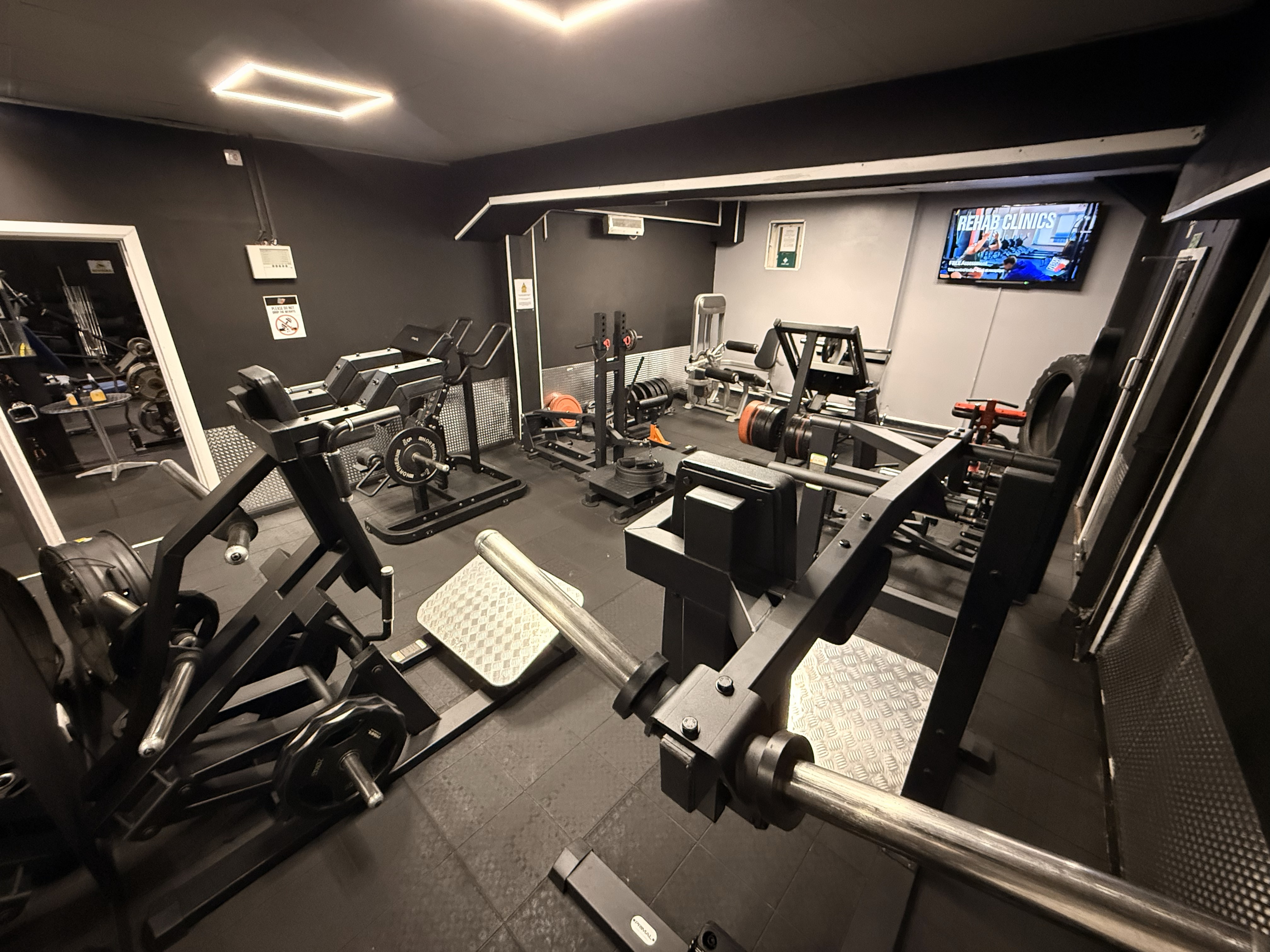
Training when you’re in pain can feel daunting, but understanding how your body signals distress is key.
Red Amber Green Pain Rule
The Red Amber Green pain rule helps you make informed training decisions. Here’s how it works: red means stop immediately, amber indicates caution, while green suggests you can continue. Red pain is sharp, severe, or worsening—a sign to halt and possibly seek medical advice. Amber pain might feel like dull aches or discomfort that doesn’t worsen through movement. In these cases, reduce your intensity and monitor the pain’s response. Green pain includes mild discomfort that lessens as you move. This usually means it’s safe to keep going, adjusting your exercises as needed. Understanding these signals empowers you to make smarter choices, reducing risk and promoting recovery.
Pain-Safe Training Strategies
Pain-safe training requires a blend of caution and strategy. Start by prioritising warm-ups that focus on the affected area; this increases blood flow and prepares your muscles. For example, if you have a shoulder issue, gentle mobility exercises can help. Next, modify your exercise selection. Swap high-impact moves with low-impact alternatives. If running hurts, consider cycling or swimming. Keep an eye on your form to prevent aggravating the injury. Focus on slow, controlled movements. In some cases, reducing the load can also help. Remember, it’s about maintaining movement without increasing pain. This approach not only keeps you active but supports healing.
When to Seek Professional Help
Knowing when to step back and consult a professional is crucial. Persistent pain that doesn’t improve, or worsens over time, warrants attention. If you notice swelling, instability, or a significant decrease in joint function, it’s time to seek advice. Professionals can provide a more accurate diagnosis and create a tailored rehabilitation plan. They might suggest physiotherapy or sports therapy to address the root cause. Engaging with qualified professionals, like those at New Body Health & Fitness, helps ensure that your return to activity is safe and effective. Early intervention can prevent small issues from becoming major setbacks.
Exercise Modifications for Injury
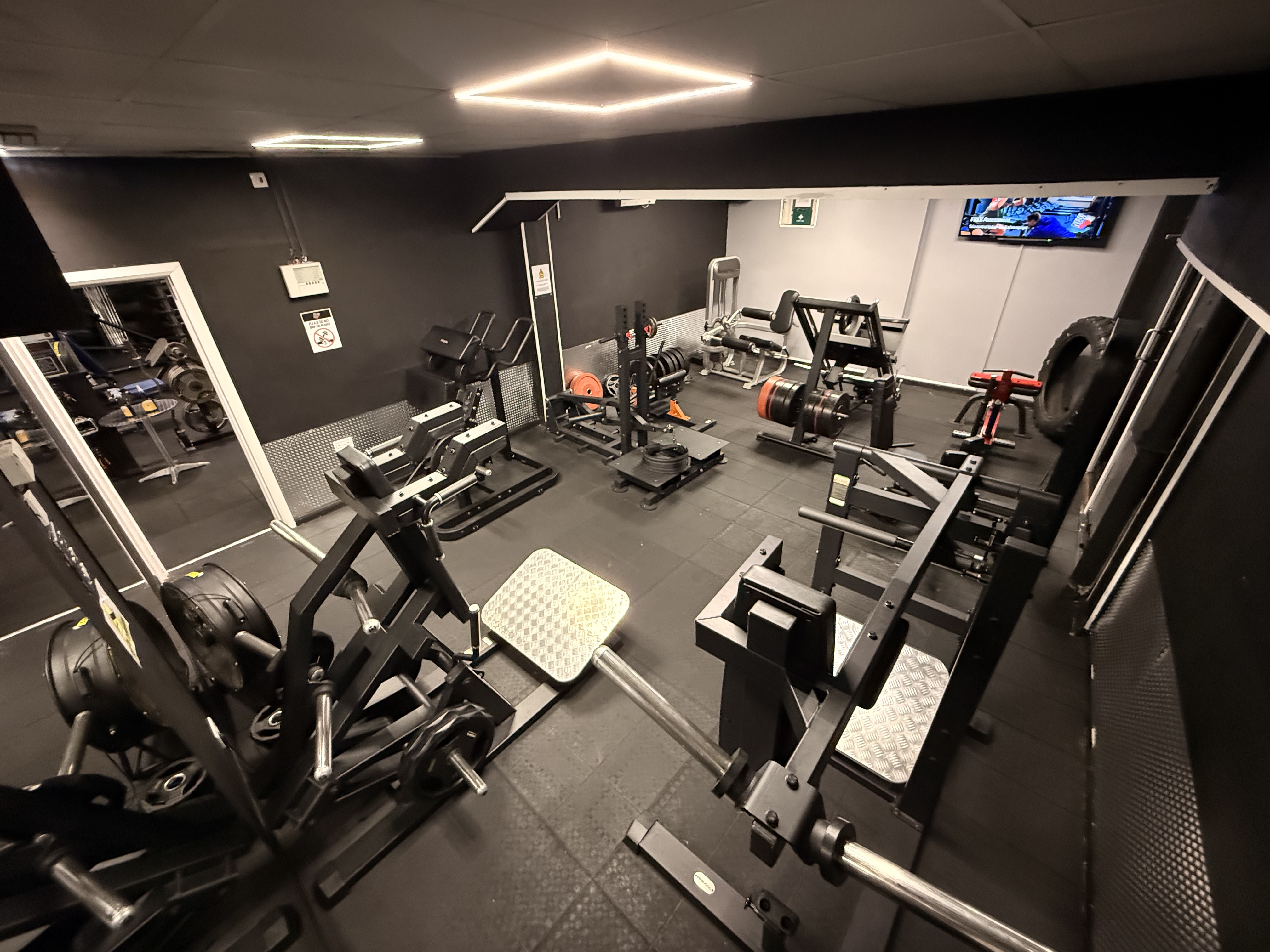
Modifying exercises is key to working out safely with an injury. You can still achieve a productive workout by making smart swaps.
Knee Pain Squat Alternatives
Knee pain can make regular squats challenging. Instead, try box squats. These limit the range of motion and reduce stress on the knees. Sit back onto a box or bench, keeping your weight on your heels. Another option is the goblet squat, which shifts focus to your core and back, easing knee pressure. Using resistance bands during squats can also help. Place a band just above your knees to encourage proper alignment and reduce inward knee collapse. These adjustments enable you to maintain leg strength without exacerbating knee pain.
Back Pain Strength Training Tips
For those with back pain, adapting strength exercises is essential. Plank variations, such as side planks, can strengthen your core without straining your back. When performing exercises like deadlifts, focus on lighter weights and perfecting your form. Use tools like a trap bar, which offers a more upright lifting position, reducing spinal stress. Always engage your core and avoid hyperextending your lower back. Incorporating these changes helps you remain active while protecting your spine.
Low-Impact Conditioning Options
Low-impact exercises are excellent for maintaining fitness without jarring your body. Swimming is a full-body workout that’s gentle on joints. Cycling is another great option, providing cardio benefits while keeping impact low. If you’re in the gym, try the elliptical machine. Its smooth motion minimizes stress on your legs and back. These options support cardiovascular health and endurance, allowing you to stay active and pain-free.
Effective Load Management
Managing how much you push your body is crucial in avoiding setbacks.
Implementing a Deload Week
A deload week involves reducing your training volume to aid recovery. This doesn’t mean stopping; instead, lower your weights and intensity by about 30-50%. This period allows your muscles to repair, reducing fatigue and stress. It keeps you in the habit of training while letting your body recuperate. Plan a deload week every 4-8 weeks, especially if you’re consistently pushing hard. It’s a proactive way to prevent burnout and injury.
Using the RPE Scale
The Rate of Perceived Exertion (RPE) scale is a tool to gauge your effort levels. On a scale of 1-10, rate how hard you’re working. Aiming for a 6-7 during most workouts ensures you’re challenging yourself without overdoing it. If you experience pain, drop to a 3-4. This approach helps you adjust your workout intensity based on how your body feels. It’s an intuitive method to balance effort and recovery, keeping your training effective and safe.
Evidence-Based Coaching Benefits
Evidence-based coaching integrates scientific research into training plans, ensuring they are both effective and safe. This approach tailors exercises to individual needs and abilities, reducing the risk of injury. Coaches at New Body Health & Fitness rely on this method, providing structure and accountability. With evidence-based coaching, you receive a personalised approach that evolves with your progress. This ensures continued improvement, confidence in your training, and peace of mind knowing you’re following a proven path.
By understanding these strategies and modifications, you can continue training around pain without hindering recovery. Stay informed, listen to your body, and consider professional guidance when needed to maintain your fitness journey safely.
